
Supreme Court Blocks Trump Tariffs, Trump Responds, and What It Means for 3PLs
The Supreme Court’s 6-3 decision blocking unilateral presidential tariffs immediately sent a ripple through global supply chains. According to USA Today , the ruling reinforces that broad tariff authority sits with Congress, not the executive branch alone.
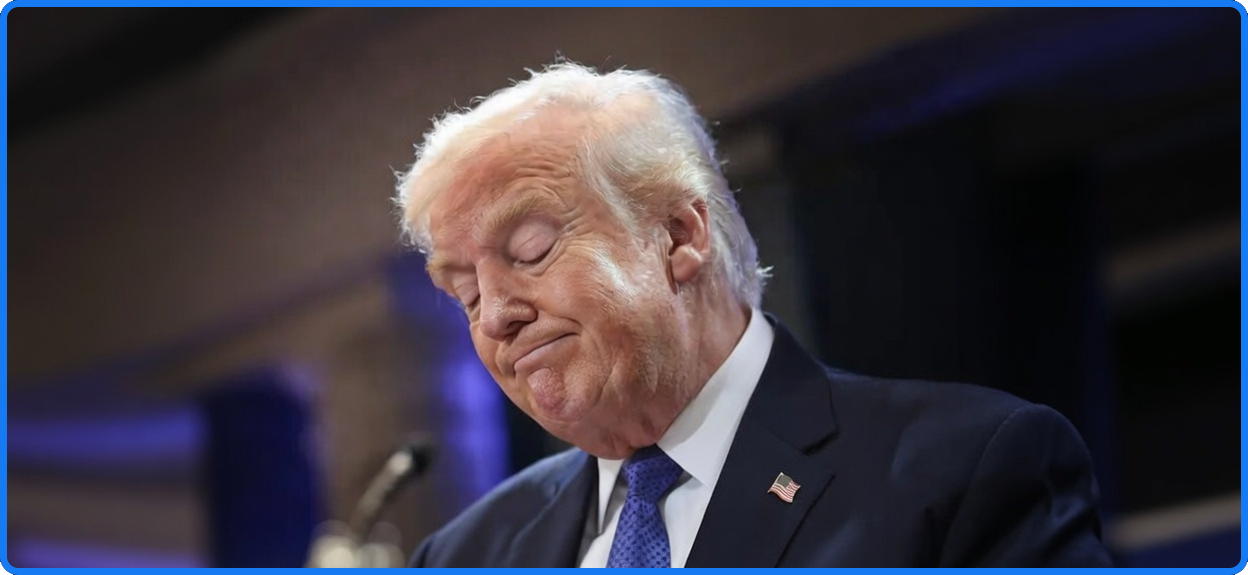
Within hours, the administration pivoted. Using Section 122 of the Trade Act of 1974, a 10 percent global tariff was introduced, which was then adjusted publicly to 15 percent, as covered by CBC News and the BBC .
What This Actually Means for 3PLs
In plain English, this creates cost instability. Even if the market avoided a sudden 25 percent tariff shock, a 10 to 15 percent global tariff still changes landed cost models for importers. For brands, that usually means price increases, reduced promo budgets, or an urgent search for savings elsewhere. For 3PLs, it means clients asking tougher questions, moving faster, and running more scenarios.
Here are the five ways I expect this to show up in day-to-day operations for 3PLs and their customers.
- Inventory planning gets choppy. Brands shift from clean quarterly buys to “wait and see” ordering, then sudden catch-up orders when policy headlines change. That creates peaks and valleys in inbound receiving, putaway, and storage needs.
- Bonded warehousing becomes more interesting. When duties rise, delaying duty payment matters. Expect more questions about bonded options, paperwork support, and whether a facility is set up for it.
- FTZ conversations pick up. Foreign Trade Zones are not new, but they tend to become popular when tariffs become a boardroom topic. Brands will explore whether they can legally reduce exposure through process, classification strategy, or where value is added.
- Margin pressure lands on the 3PL. When landed costs rise, brands start hunting for savings in fulfillment, storage, packaging, and parcel. Even good partners will face renegotiation pressure.
- Nearshore sourcing comes back into the chat. Mexico, Central America, and domestic contract manufacturing get revisited, especially for replenishment SKUs. If tariffs keep swinging, supply chain leaders will value predictability over theoretical lowest unit cost.
My Short-Term Predictions
If I’m making practical predictions for the next 6 to 12 months, this is what I’d watch as a 3PL operator and what I’d tell my clients to prepare for.
- Inventory pull-forward. Brands that can afford it will import earlier than planned to get ahead of policy shifts. That creates inbound surges and short-term storage crunch.
- Port and transload pressure. When everyone scrambles at once, drayage and transload capacity tighten. That flows downstream into warehouse receiving schedules and labor planning. Looking at you brands shipping to Amazon for FBA.
- More RFPs demand scenario modeling. Instead of a single forecast, brands will ask 3PLs to price multiple volume cases and multiple SKU velocity cases. At 3PL Hub, I ran five RFPs last year that had contingency planning built into the RFP selection criteria. Some examples: Can the 3PL ship from bi-coastal US fulfillment centers? Does the 3PL have a Canadian location, if so, can they split volume between 1 US location and 1 Canadian location? Can the 3PL pivot to ship all the volume from their Canadian operation?
- More emphasis on cash flow. Smaller brands will care less about the “best” network and more about what keeps them alive through uncertainty. That might mean splitting inventory, reducing SKU count, or limiting promotional calendars.
- More serious talk about compliance and classification. When tariffs move, the boring stuff becomes important fast. Brands and 3PLs will lean more heavily on customs brokers and trade counsel.
If you want a good neutral reference point for the Section 122 authority itself, here is the U.S. International Trade Commission page on trade laws and agreements: USITC trade remedy resources .
TikTok Fulfillment: The Mandate, the Reversal, and the Reality
TikTok is pushing fulfillment expectations in a way that forces operational changes. This is not theoretical. TikTok Shop is training customers to expect fast delivery, and sellers are being measured tightly on shipping performance. Coverage from Modern Retail has been a strong signal on where this is heading.
The February Update: In a massive latest twist, TikTok abruptly halted its plan to ban independent shipping. Originally, all sellers were to be forced into TikTok-managed logistics by March 31, 2026. Following significant backlash from brands and 3PLs regarding cost and control, TikTok sent an emergency update on February 17, 2026, stating that “Seller Shipping remains unchanged” for now. While the immediate mandate is paused, the platform’s trajectory toward Amazon-style control is clear. If you want another write-up on the same reversal, Adweek also covered it here: Adweek’s recap .
If you want the most direct source for rules, education, and seller operations, TikTok also publishes a lot through: TikTok Shop Seller University . This is where you see the tone of how seriously they take shipping speed, cancellations, and seller performance.
What TikTok Changes Inside the Warehouse
TikTok has a specific kind of chaos attached to it. A single video can turn a normal Tuesday into a peak season day. That means 3PLs supporting TikTok sellers need to run their operation differently than they would for a steady Shopify DTC brand.
- Seven-day fulfillment matters. Even with the mandate paused, TikTok’s algorithm rewards speed. If you are closed on Sundays, you are competing against networks that are not. Weekend work is becoming a competitive requirement.
- The USPS lock-in remains. Despite the reversal on other carriers, TikTok still largely requires USPS labels to be purchased within their platform. This creates a split workflow where 3PLs must handle USPS orders differently than UPS or FedEx. Supply Chain Dive has a good breakdown of the USPS label control piece here: TikTok Shop USPS label requirement update .
- Viral spikes break weak systems. If you are still relying on fragile workflows, you will feel it immediately. You need labor flex, smarter wave planning, and clear exception handling.
- Platform penalties are real. Late shipments beyond the two-day dispatch SLA and poor tracking can reduce visibility. Sellers will switch 3PLs faster when a platform like TikTok is acting as the referee.
Where “Fulfilled by TikTok” Puts Pressure on Traditional 3PLs
“Fulfilled by TikTok” (FBT) is the platform taking a page out of the Amazon playbook. When the marketplace controls the fulfillment layer, it can influence customer trust, delivery promises, and ultimately conversion. To understand how this works, it’s worth reading Amazon’s perspective on FBA to see the blueprint TikTok is following: Fulfillment by Amazon overview .
The takeaway is simple. Platforms want the customer experience to be predictable. If TikTok can guarantee delivery speed through its native network (FBT), they will continue to nudge sellers toward it by offering algorithm boosts and “Free 3-Day Delivery” badges that independent shipping struggles to match.
How Independent 3PLs Can Win Anyway
Independent 3PLs are not dead. But the average, generic pick-pack-ship offer is going to get squeezed. The winners will be the ones that can offer something TikTok’s native model cannot easily replicate.
- Complex kitting and customization. TikTok FBT handles basic very well, but they struggle with custom inserts, influencer kits, and branded unboxing experiences.
- B2B and retail compliance. Most viral brands eventually want to move into Target or Sephora. Native platform fulfillment rarely supports the complex EDI and routing guides required for retail.
- Multi-node strategy. Brands with real volume still benefit from thoughtful network design across the US, not just being stuck in whatever warehouse a platform assigns them.
- Visibility and accountability. Direct communication and clear SLAs during a viral surge are things a platform's automated help desk can't compete with.
Ryan's Wrap-up
Tariff uncertainty increases landed cost volatility. TikTok increases speed expectations. Those two forces hit brands from both sides. Costs go up, customers expect faster delivery, and the margin for mistakes shrinks.
The 3PLs that win through this are the ones that behave like true partners. They help clients plan inventory around uncertainty, keep operations flexible enough for platform-driven demand spikes, and communicate clearly when supply chain reality hits.
If you want to keep an eye on weekly carrier volatility that impacts every fulfillment model, here’s our tool: Fuel Surcharge Tracker .

Leave Comment Below